
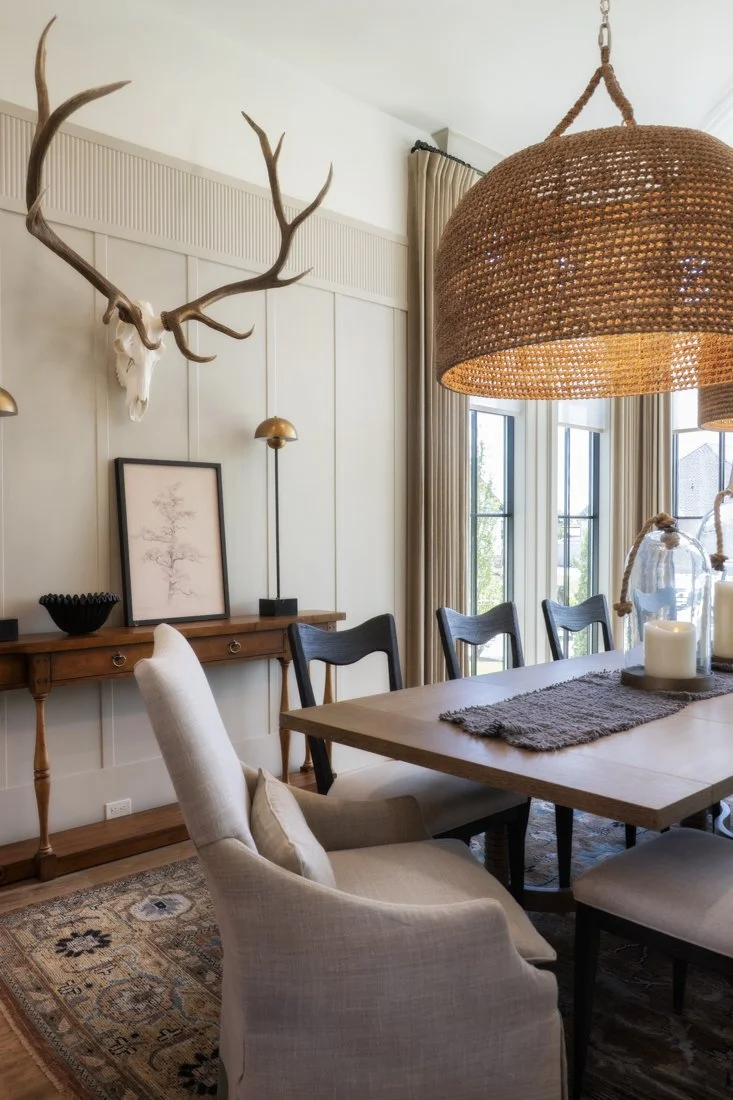
Anyone can photograph a room. Not everyone can capture what it means.
There is a particular kind of frustration that most interior designers know well. You have just completed a project you are genuinely proud of — the proportions are right, the materials sing, the light falls exactly where you intended it to. And then the photographs come back, and the room looks fine. Clean. Presentable.
But it doesn’t look like what you made.
The furniture is there. The finishes are there. But the intention — the quiet confidence of a material choice, the way a particular corner catches the afternoon light, the detail you agonized over for weeks that makes the whole room — somehow didn’t make it into the frame.
This is not a minor problem. For an interior designer, photography is the primary language through which the world understands your work. It is what attracts your next client, earns a publication feature, and builds the kind of portfolio that opens doors to the projects you actually want. When your photography fails to capture your intent, it doesn’t just underrepresent a single project. It underrepresents you.
The Difference Between Documentation and Interpretation
Most photography documents. It shows what is there — the sofa, the rug, the carefully chosen art on the wall. And documentation has its place. But the photography that elevates a designer’s portfolio, that stops a scroll or earns a double take in a magazine, does something more.
It interprets.
It makes a choice about where the eye should go first. It finds the angle that reveals the relationship between materials rather than simply showing them side by side. It understands that the window seat in the corner isn’t just a window seat — it’s the reason the entire room works — and it makes sure that truth is visible in the final image.
That kind of photography doesn’t happen by accident. It happens because the photographer took the time to understand what they were walking into before they ever picked up a camera.
The Questions That Change Everything
What details are you most proud of? What is your absolute favorite part of this space? Is there something you weren’t expecting to love that you can’t stop thinking about now? What do you think your client will be most excited about when they walk in?
These aren’t technical questions. They’re invitations — to talk about your work the way you think about it privately, to surface the intentions and decisions that live beneath the surface of a finished room. The answers shape everything that follows: where the camera goes, what it lingers on, what the final images choose to say.
The aspiration, in every session, is to hand a designer images that don’t just show what they built — but reveal something about it. To create photographs that make a designer look at their own work and feel, perhaps for the first time, that it has been truly seen.
Why This Matters for Your Business
The designers who attract the most coveted projects share something beyond talent. Their work is presented in a way that makes its intention legible — that communicates not just what a space looks like, but what it was designed to feel like, and what it took to get there.
That kind of presentation doesn’t happen without photography that rises to meet the work. And it doesn’t happen without a photographer who cares enough to ask the right questions before the shoot begins.
Your portfolio is your most powerful sales tool. Every image in it is either building the practice you want or quietly holding it back. The gap between a beautiful room and a photograph that captures what made it beautiful is smaller than most people think — but closing it requires more than a camera and a good eye.
It requires a genuine interest in what you made, and why.
Ready to bring your next project to life? Explore our collections for interior designers and custom builders and find the right package for your work.
