
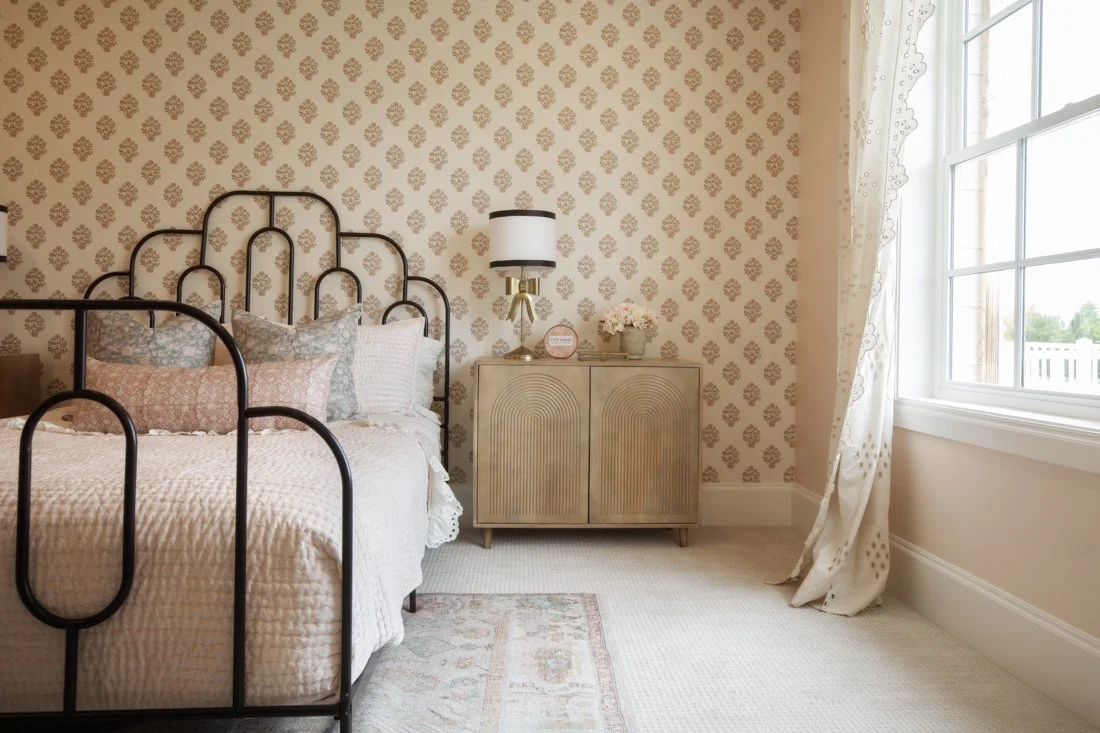
Light is not a technicality. It is the soul of the photograph.
Photography — from the Greek, meaning “writing with light” — has always been, at its core, a conversation between a camera and the light available to it. It seems fitting, then, that one of the most reliably debated questions in real estate photography comes down to exactly that: the light.
Lights on or lights off?
Ask ten real estate photographers and you’ll get ten different answers. The answer, as with most things worth debating, depends on who you ask and what they value.
Here’s where Ivy Moon Studio stands — and why.
The Case for Natural Light
Walk through the pages of any architectural design magazine. Study the imagery in a luxury home portfolio. Notice what almost all of them have in common: the lights are off.
Natural light doesn’t just illuminate a space. It moves through it. It shifts with the time of day, bends around corners, pools on surfaces, and casts the kind of soft, directional shadows that give a room dimension and depth. It is, in the most literal sense, how a home is meant to be experienced — and it is how the world’s most celebrated architectural and interior photographers have always chosen to work.
There is also something honest about natural light. A sun-drenched living room doesn’t need to announce itself. It simply is — warm, inviting, and immediately legible to anyone who has ever stood in a beautiful space and felt something.
Artificial lighting, by contrast, introduces variables that work against that honesty. Mixed bulb temperatures create color casts that no amount of editing can fully resolve — too warm and everything shifts yellow, too cool and the space takes on a grey, clinical quality. Lamps and overhead fixtures cast shadows in unexpected directions, create harsh reflections on glass and polished surfaces, and can make a beautifully designed room feel smaller and more complicated than it is.
Perhaps most tellingly, turning on the lights during the day quietly signals something to a discerning buyer: that the home needs help. That without artificial assistance, it doesn’t quite have enough.
Natural light says the opposite. It says the home can stand on its own.
When the Lights Should Come On
That said, natural light isn’t always enough on its own — and good photography means reading the space honestly rather than applying a rule without thinking.
On overcast or stormy days, when the quality of available light drops significantly, selectively introducing artificial light can help maintain warmth and visual interest in a space. Homes with limited windows, north-facing rooms, or particularly dark interiors may also benefit from supplemental lighting to ensure the space reads clearly in the final images.
In these situations, bulb selection matters enormously. Opt for soft, warm white bulbs — not bright, not cool. Bright bulbs are distracting and draw the eye away from the space itself. Bulbs that run too warm will bathe everything in yellow; bulbs that run too cool will strip the room of any sense of warmth or welcome. Before your session, replace any burnt-out bulbs and ensure consistency throughout each room — mismatched temperatures are one of the most common and easily overlooked obstacles to beautiful listing photography.
And of course, if you have a preference, say so. The conversation about light is always worth having before the shoot begins rather than after.
The Bottom Line
Light is not a technicality. It is the single most expressive element in a photograph — the difference between a room that feels lived in and loved, and one that simply exists. Choosing to work with natural light wherever possible isn’t a stylistic preference so much as a commitment to showing a home as it truly is, at its most honest and most beautiful.
That is, ultimately, what great real estate photography has always been about.
Curious about how Ivy Moon Studio approaches your specific property? Reach out or explore our collections for real estate professionals to find the right package for your listing.
