
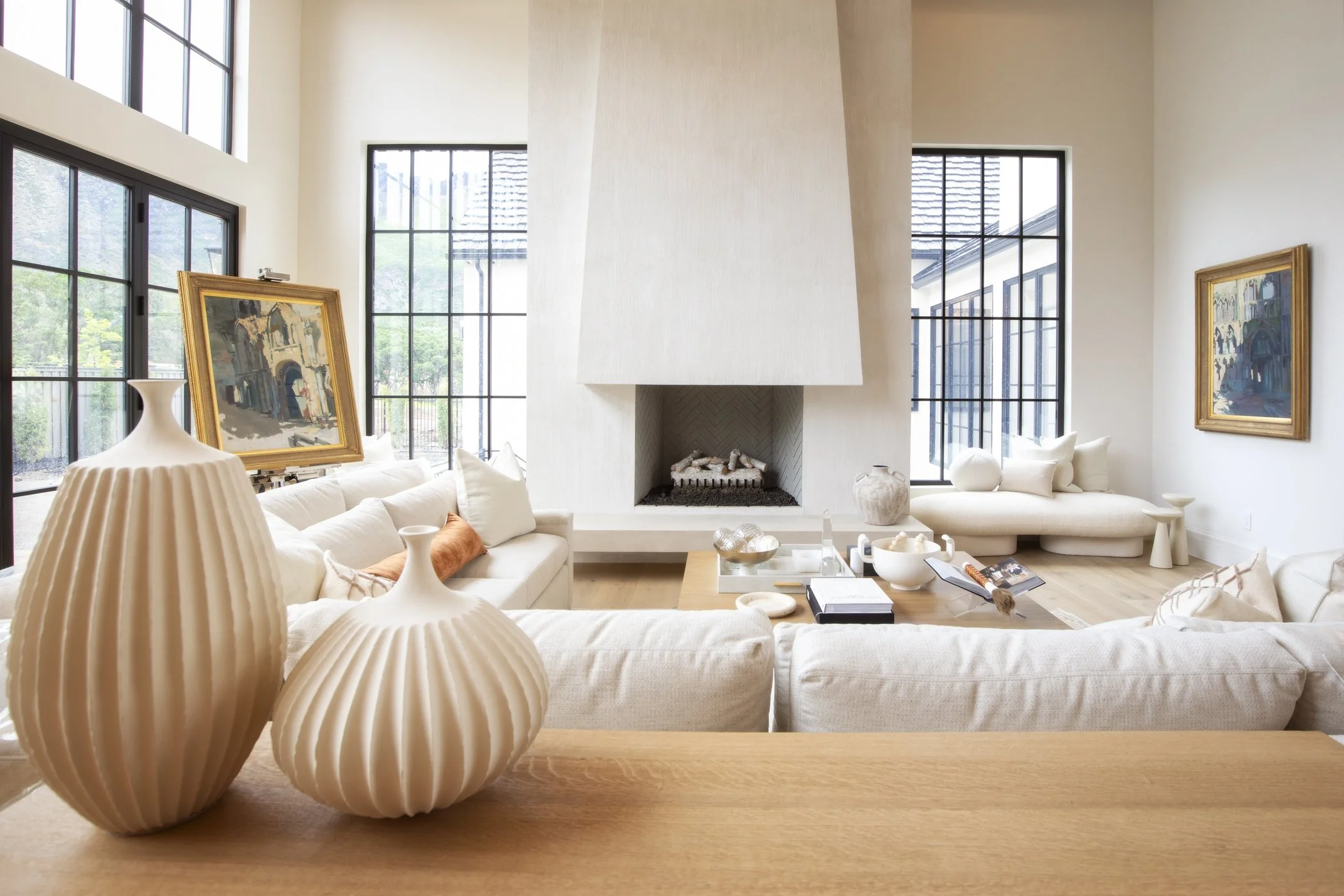
What the camera sees, what it doesn’t, and what gets in the way.
After years of walking through homes with a camera, you start to notice patterns. The sellers who spent three hours perfecting their vacuum lines. The agent who rescheduled because of a small rug stain. The beautifully staged living room that didn’t quite land because of what was hanging above the fireplace.
Great listing photography isn’t just about technical skill. It’s about knowing what the camera responds to — and what it doesn’t. Some details make an enormous difference. Others, despite the stress they cause, barely register in the final image.
Here’s an honest breakdown of both.
The Details That Actually Matter
Lightbulbs
Mismatched bulbs are one of the most common and most overlooked obstacles to beautiful listing photography. A room lit by a mix of warm and cool bulbs will show that inconsistency clearly in the final images — and no amount of editing can fully correct it. Before your session, walk through every room and replace any burnt-out bulbs, ensuring all fixtures in the same space use bulbs of the same temperature. Soft, warm white is almost always the most flattering choice.
Trash Cans
Inside and out. Kitchen bins, bathroom wastebaskets, the can at the end of the driveway — all of it should disappear before the camera arrives. It’s a small thing that makes a surprisingly large visual difference, and it’s one of the easiest wins on this list.
Pets, Their Accessories, and Any Evidence of Their Existence
While we all love them, knowing pets are in the home can worry potential buyers. Food bowls, beds, toys, litter boxes, and leashes should all be stored out of sight. If possible, arrange for pets to be elsewhere during the session entirely — both for the quality of the images and for the comfort of everyone involved. And it goes without saying: any waste in the yard should be addressed before the photographer arrives.
Pillows and Blankets
Fluffed, arranged, and intentional. A well-placed throw blanket and a set of properly styled pillows can transform a sofa from furniture into an invitation. It takes two minutes and makes a considerable difference.
Decluttering
This one cannot be overstated. The camera compresses space and amplifies visual noise in ways the eye doesn’t. A surface that feels reasonably tidy in person can read as cluttered in a photograph. When in doubt, remove more than you think you need to. The space will feel larger, cleaner, and more considered for it.
Things That Ask the Buyer to Look Past Them
Great listing photography creates a space where buyers can picture themselves living. Anything that pulls strongly at a viewer’s personal beliefs, preferences, or comfort makes that harder — not because there is anything wrong with those items, but because the goal is to invite as many buyers as possible into the vision of the home.
Taxidermy, political imagery or signage, overtly religious displays, and explicit or provocative artwork — even mildly so — are all worth storing away for the duration of the listing. The same applies to loud paint colors and bold wallpaper, which can be polarizing enough to distract buyers from an otherwise beautiful space.
When a home is styled to feel universally welcoming, buyers spend their energy falling in love with the space rather than navigating their feelings about what’s in it. That’s exactly where you want them.
When in Doubt, Hire a Professional Stager
A professional stager brings an objective, trained eye to a space — and the results speak for themselves. If a home is vacant, heavily personalized, or simply not photographing the way it should, a stager can make a transformative difference. It’s an investment that consistently pays for itself in buyer interest and final sale price.
The Details You Can Stop Stressing About
Vacuum Lines
This one comes up more than you’d think. Sellers have been known to spend considerable time perfecting the lines in their carpet before a shoot — and while a vacuumed space absolutely matters, the lines themselves rarely show in the final images. Vacuum the floors. Then let it go.
Minor Window and Mirror Streaks
Clean windows and mirrors matter — but a few minor streaks won’t show in most images unless the light hits them at exactly the right angle. Wipe them down, but don’t reschedule over them. Your time is better spent elsewhere on this list.
Light Stains on Rugs or Furniture
The camera doesn’t see everything the eye does. Light or small stains on rugs and upholstery often disappear entirely in the final images — you’d be surprised by what simply doesn’t register. If there’s a stain you’re concerned about, mention it before the session. Minor marks on personal items rather than permanent fixtures can often be addressed in [post-processing]. Anything more significant is worth flagging in advance so we can discuss the best approach together.
Where to Put Everything
Clearing a home doesn’t have to mean chaos. If items can be moved out of the home entirely during the listing period — to a family member’s house or a storage unit — that’s always the best solution. When that’s not possible, a few reliable hiding spots make the process much easier: hall closets, under-stair storage, smaller secondary closets, and the garage work well for larger items. Smaller things can be tucked towards the back underneath the sheets and towels in a linen closet. In a pinch, a bathtub with the curtain drawn is a surprisingly effective last-minute solution for anything that needs to disappear quickly.
A Final Word
The homes that photograph best aren’t always the most expensive or the most elaborately designed. They’re the ones where someone paid attention to the right details — and let go of the ones that don’t matter.
That’s the kind of preparation that shows up in every image.
Ready to book your next listing session? Explore our collections for real estate professionals and find the right package for your listing.
